The Role of Psychology in Gambling
The psychology of gambling is a fascinating area that combines behavioral economics, cognitive biases, and emotional triggers. At its core, understanding the psychological factors that drive gamblers can significantly impact their betting strategies. Players often rely on a variety of mental shortcuts known as heuristics, which can lead to either rational decisions based on probabilities or irrational choices driven by emotions. Engaging with new crypto casinos is one example of how technology has transformed traditional gambling norms.
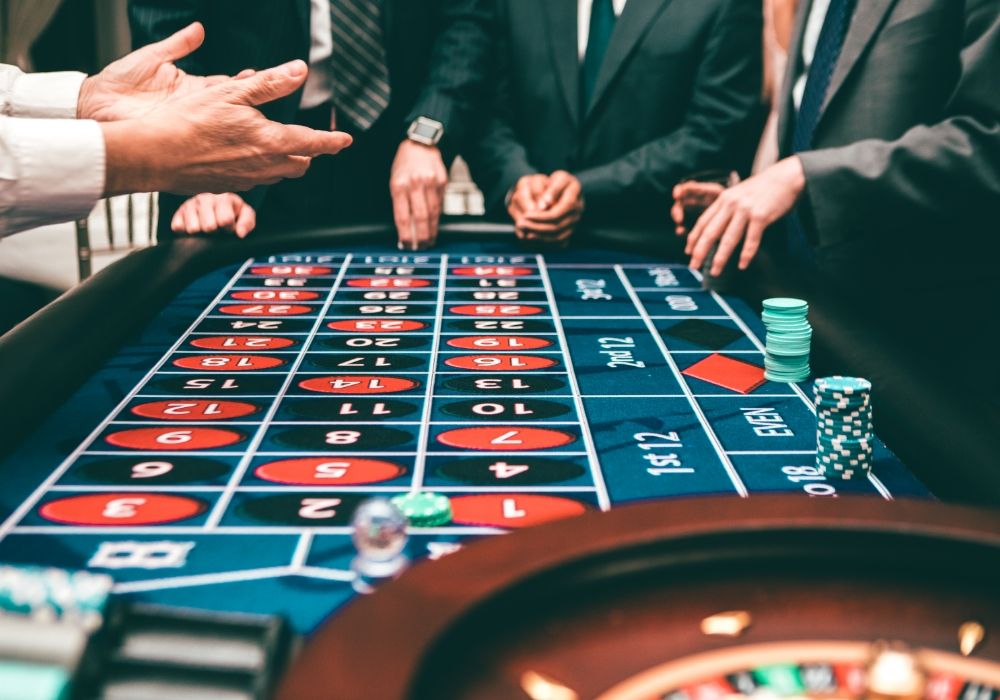
Moreover, cognitive biases such as the gambler’s fallacy—the belief that past events influence future outcomes—can skew players’ perceptions of chance games. Recognizing these psychological influences enables gamblers to develop strategies that counteract flawed thinking, ultimately leading to more informed and smarter betting practices.
Effective Strategies for Game Selection
Selecting the right games is paramount for any successful bettor. Certain games, like blackjack or poker, offer opportunities for strategic play owing to their reliance on skill, whereas games like slots are based predominantly on chance. Understanding the nuances of each game type can empower players to make strategic choices aligned with their strengths and knowledge. Additionally, knowing how different styles impact performance can enhance decision-making.
Moreover, the psychological aspect of game selection is tied to personal enjoyment and comfort levels. Gamblers who engage with games they find entertaining are likely to make more rational decisions. Therefore, it’s essential to align both strategy and enjoyment to enhance the overall betting experience.
Managing Emotions and Bankrolls
Emotional management plays a vital role in successful gambling. Players often experience highs and lows; understanding one’s emotional responses can aid in maintaining composure. This self-awareness helps bettors avoid impulsive decisions made under emotional duress, such as chasing losses or overextending their bankrolls. Recognizing triggers that impact emotions is crucial for a sustainable gambling approach.
Effective bankroll management is equally essential; it entails setting limits and adhering strictly to them, which can safeguard against excessive financial loss. Employing strategies like the ‘50/30/20’ rule can help players allocate their funds wisely, ensuring they stay within their limits while maximizing their gaming enjoyment.
The Impact of Environment on Betting Behavior
The environment in which gambling occurs can significantly influence betting behavior. Casinos are designed to enhance the gaming experience, often incorporating elements that stimulate excitement and prolong play. From atmospheric lighting to enticing sounds, these environmental factors can lead to impulsive betting behaviors that undermine strategic thinking.
Additionally, social elements of gambling, such as playing with friends or the presence of fellow players, can create a sense of camaraderie but also increase the stakes through peer pressure. Recognizing the impact of these external factors allows players to create a more conducive environment for rational decision-making in their betting strategies.

Explore Our Resources for Smarter Betting
Our website is dedicated to providing valuable insights and resources focused on enhancing your gambling experience through informed strategies. By understanding the psychology behind casino game strategies, you can make smarter betting choices that align with both your financial goals and your enjoyment of the game.
We encourage you to explore our content for tips, industry insights, and strategies designed to help you navigate the complex world of gambling with confidence. Whether you’re a seasoned player or a beginner, our resources aim to enhance your gaming experience and promote responsible gambling practices.