The Intricate Mind of a Gambler
The psychology of gambling is a complex field that delves into why individuals engage in games of chance. Many players are drawn to the thrill and the adrenaline rush that accompanies the uncertainty of winning. This excitement often engenders a sense of euphoria, which can be intoxicating and lead to repeated visits to the casino. Furthermore, many avid gamblers might explore cricket betting sites as an alternative way to experience this excitement. Understanding this psychological aspect can enlighten both players and casino operators about the driving forces behind gambling behavior.

Moreover, cognitive biases play a significant role in gambling strategies. Concepts like the gambler’s fallacy—the belief that past events can influence future outcomes—can lead players to develop flawed strategies. For instance, a player might think that a particular slot machine is “due” for a payout after a series of losses, which can significantly affect their betting patterns and decision-making processes.
The Role of Risk and Reward
The balance between risk and reward is a cornerstone of the psychology behind casino games. Players constantly weigh their options, calculating the odds of winning against the potential payout. This risk-reward dynamic is not merely mathematical; it is deeply emotional. The anticipation of a big win can trigger a release of dopamine, reinforcing the behavior and encouraging further play.
Strategies often evolve from this interplay of risk and reward. For instance, some players prefer games with lower volatility, opting for steady, smaller wins rather than high-risk games that offer larger payouts. This choice reflects their comfort levels with uncertainty and highlights the personalized nature of gambling strategies.
The Influence of Environment on Game Strategies
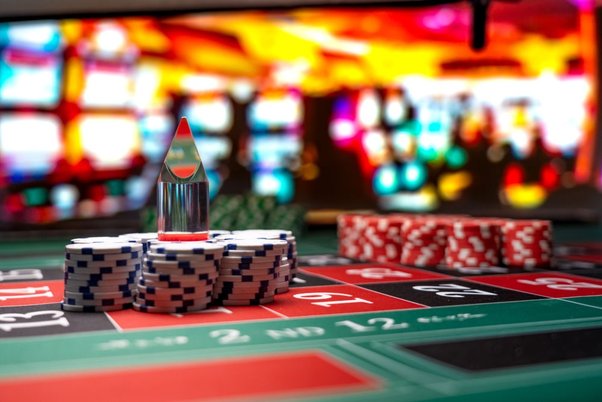
Casinos are meticulously designed to enhance the gambling experience, and the environment significantly influences player strategies. Factors such as lighting, sounds, and even the layout of the gaming floor contribute to creating an immersive atmosphere that can impact decision-making. The buzz of excitement and the sight of other players winning can spur individuals to adjust their strategies, often leading to riskier bets.
Furthermore, social interactions in a casino setting play a crucial role in shaping strategies. Players often observe and mimic the behaviors of others, adopting strategies that seem successful. This phenomenon, known as social proof, can create a collective mindset where individuals feel more inclined to take part in specific games or bets based on the observed actions of those around them.
The Psychology of Loss Aversion
Loss aversion is a significant concept in gambling psychology, where players are more affected by losses than the joy derived from equivalent wins. This psychological barrier can lead to chasing losses, where players continue to gamble in an attempt to recover funds they have lost. Such behavior can exacerbate financial troubles and lead to a cycle of increased risk-taking.
A comprehensive understanding of loss aversion can also inform the development of effective gambling strategies. Recognizing one’s emotional responses to losses can help players devise more rational approaches, potentially leading to improved financial outcomes and more satisfying gambling experiences.
Conclusion: Navigating Casino Strategies Wisely
In conclusion, the psychology behind casino game strategies is a fascinating blend of cognitive biases, emotional responses, and environmental influences. By understanding these factors, players can better navigate their gambling experiences, making informed decisions that align with their preferences and risk tolerances.
As you explore the world of gambling strategies, it’s essential to recognize the psychological complexities at play. Whether you’re a casual player or a seasoned gambler, being aware of these dynamics can enhance your gaming experience while promoting responsible gambling practices.